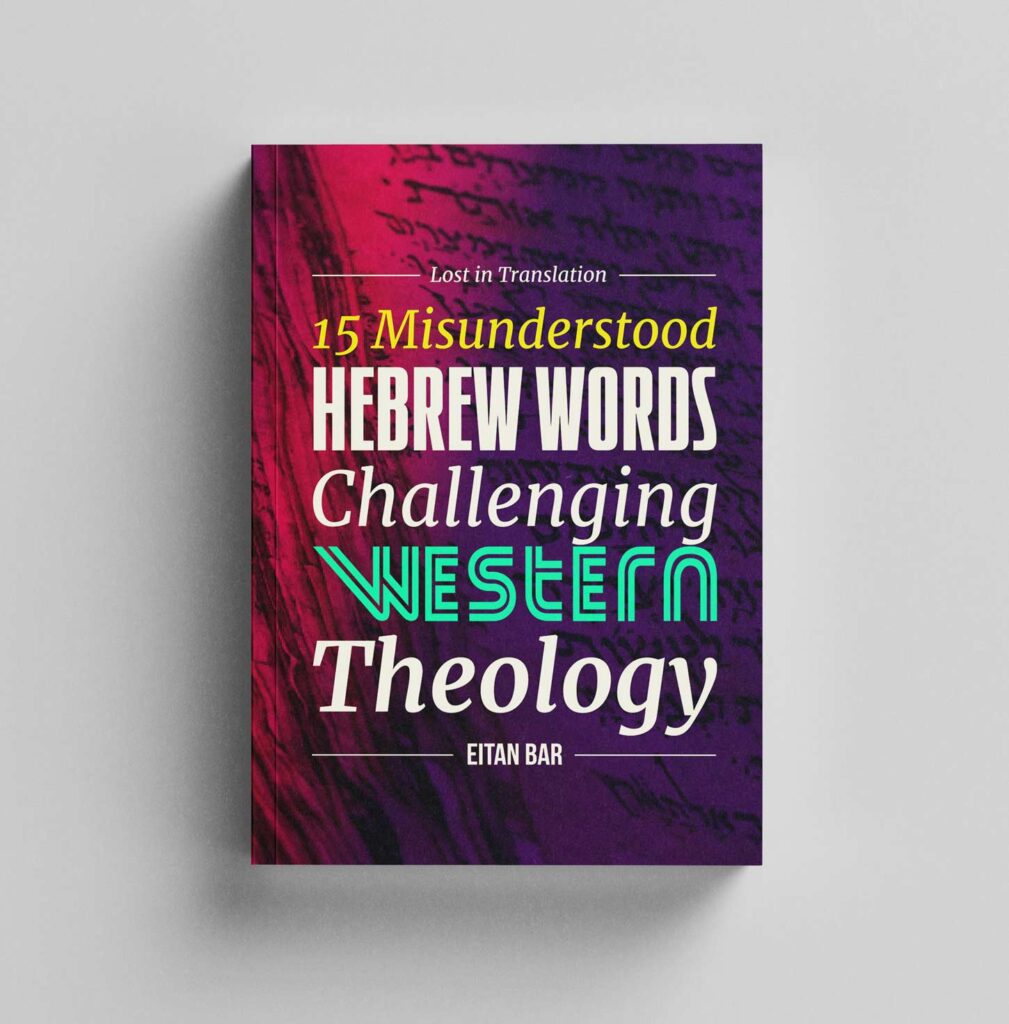
If anyone tells you that to know God you must first learn Hebrew, that’s complete nonsense. You can be blind, deaf, and illiterate and still know Him intimately. God has never been locked behind a language. The simplest believer who cannot read a word can walk closer to God than the finest scholar who reads every word. Knowing God is not a matter of vocabulary. It’s a matter of the heart.
And yet.
There are depths of understanding you simply cannot reach through a translation, especially with Hebrew, because of how the language is built. Hebrew words often carry a far wider range of meaning than any single English word can hold, so the translator is forced to pick one shade and quietly drop the rest. Take chesed. English needs a whole handful of words to chase it, love, mercy, kindness, loyalty, faithfulness, and still doesn’t quite catch it. Or nephesh, which we usually render “soul,” but which also means throat, breath, appetite, life, the whole living self. When the psalmist says his nephesh thirsts for God, he doesn’t mean some ghostly inner part of him. He means his throat is dry for God, his whole being gasping. “Soul” is true, but it’s thin.
Hebrew also thinks in pictures. Its words are rooted in concrete, physical images that a translation tends to flatten into abstraction. When Scripture calls God “slow to anger,” the Hebrew literally says He is long of nostrils, the picture of someone whose nose is slow to flare, slow to snort in rage. And the word for God’s compassion, rachamim, is born from the word for a mother’s womb, rechem. So when God says He has compassion on us, He is saying He feels for us the way a mother aches for the child of her own body. English says “compassion” and moves on. Hebrew shows you a womb.
And much of Scripture is woven with wordplay, sound, and repetition, music that simply vanishes the moment it crosses into another language. In Isaiah, God says He looked for mishpat (justice) but found only mispach (bloodshed), He hoped for tzedakah (righteousness) but heard instead a tze’akah (a cry of the oppressed). The words sound almost identical, so the verse lands like a bitter pun, righteousness curdling into a scream. In English you get the meaning but lose the ache in the sound. What you’re reading in your Bible translation might be faithful, but it is a photograph of a garden, not the garden itself.
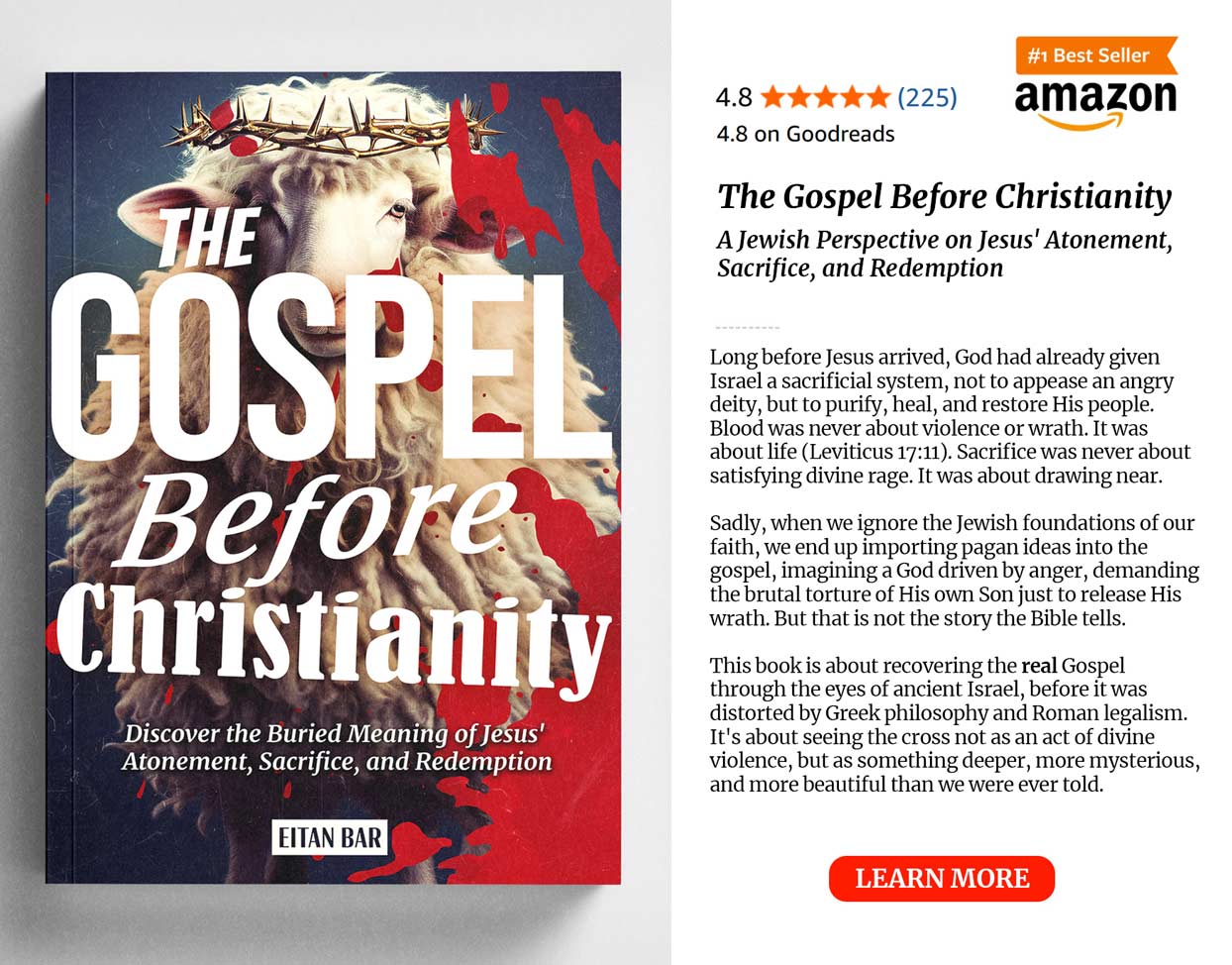
Sometimes it’s simpler than that. Sometimes it’s just a poor translation, because no translation is perfect. That’s part of why English alone has over nine hundred of them. Each one is a fresh attempt to carry across what no single attempt can fully hold.
So where does that leave us? Truth doesn’t change. But how much of it we can see always will. And that calls for a certain humility, the willingness not to over-spiritualize things as an excuse to avoid the hard work of learning, studying, and, yes, leaning on others. We were never meant to carry it all alone. That is the very meaning of “church.” Not everyone is a teacher, and no one has to be. Some are gifted to dig into the language and the history and then hand the fruit of it back to the rest of the body, softened and ready to receive. Your task is not to know everything. Your task is to stay humble enough to keep learning, and humble enough to let others help you.